Mon - Fr
/
7:30AM - 5:00PM


Project Duration
May 2023 – July 2025 (26 months)
Team
24 employees led by Chief Engineer: Sarah Lee
Estimated Cost
$2.5 million
This project focuses on building a fully automated warehouse system to improve inventory management, order fulfillment, and supply chain efficiency. The solution involves robotics, AI-powered software, and real-time data tracking to ensure seamless operations.
Define system requirements and warehouse design (4 months)
Choose robotics, software, and hardware components (5 months)
Implement WMS with robotic operations (7 months)
Conduct trials and fine-tune processes (6 months)
Train staff and transition to full automation (3 months)
Provide monitoring and maintenance (1 month)
Manual warehouse management leads to inefficiencies, stock inaccuracies, and slow order fulfillment, causing delays and increased operational costs.
Enhances supply chain efficiency, reduces carbon emissions by optimizing logistics, and improves customer satisfaction through faster delivery.
The automated warehouse system increases operational speed, reduces labor costs, and enhances customer satisfaction through faster delivery.
Work with major manufacturing clients to design, program, and commission process automation systems. Involves PLC logic, HMI development, and site integration.
View Full Case Study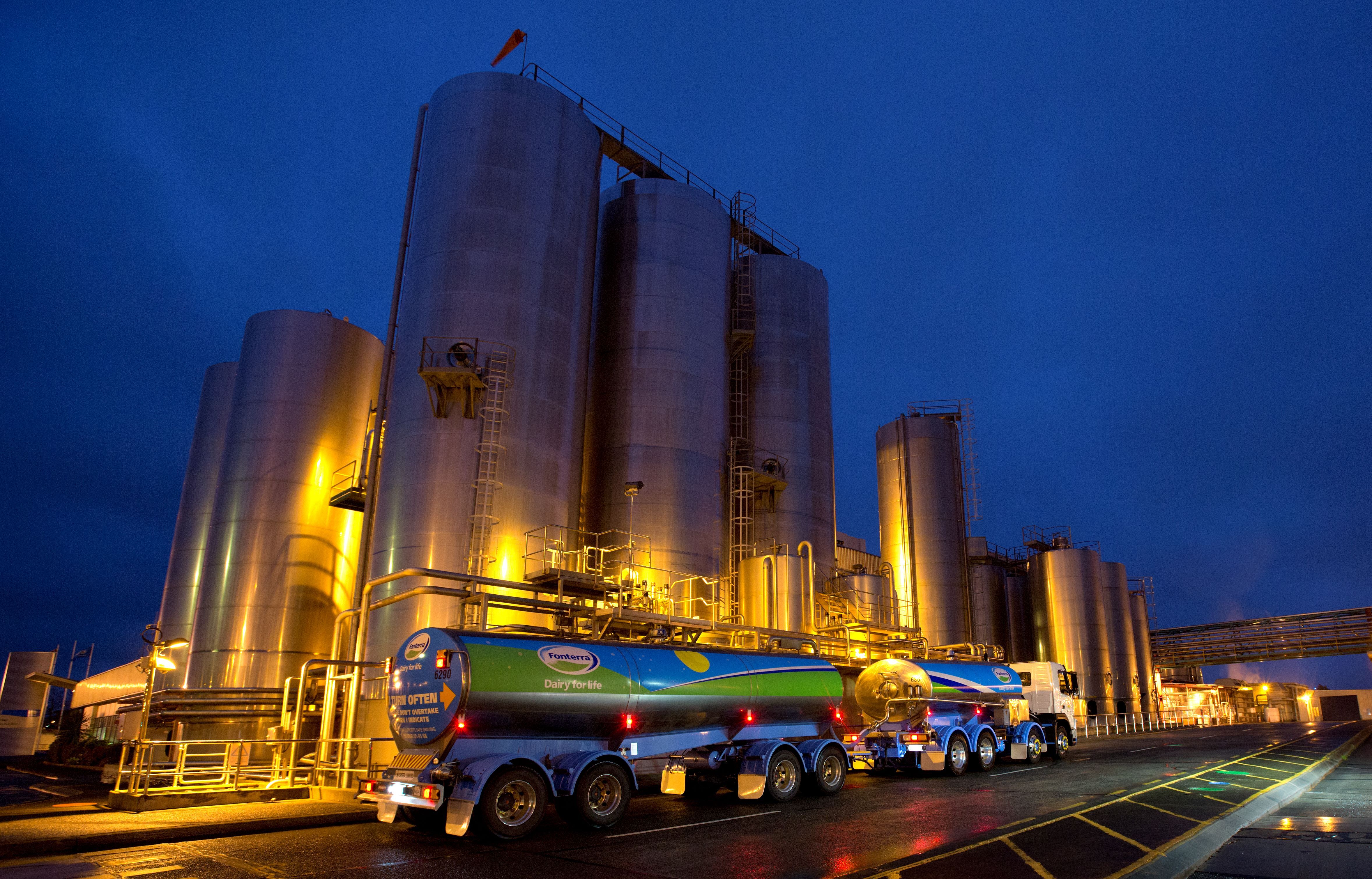
A maintenance solution that leverages machine learning and IoT to predict equipment failures enabling companies to optimize workflows, plan for changes, and test improvements in a virtual environment.
View Full Case Study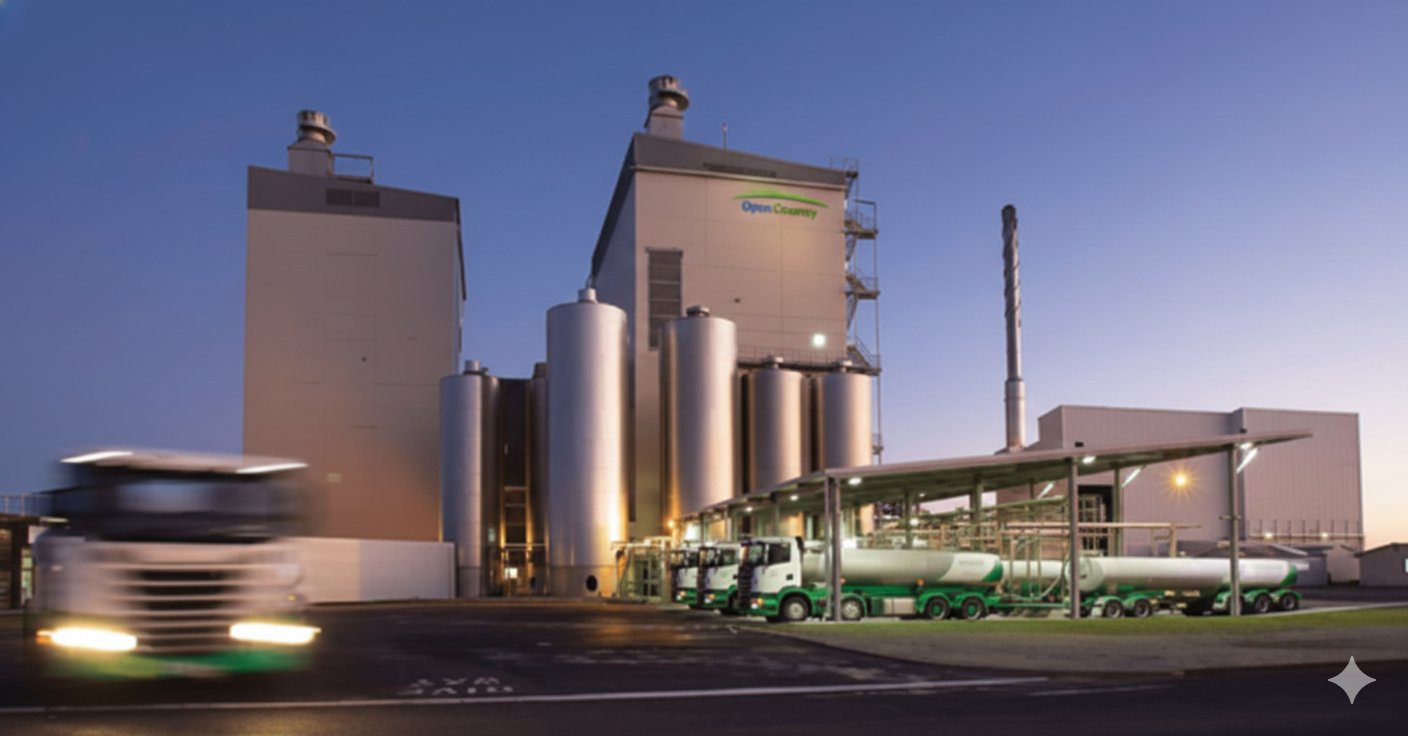
A digital replica of industrial processes that simulates real-world scenarios, enabling companies to optimize workflows, plan for changes, and test improvements in a virtual environment.
View Full Case Study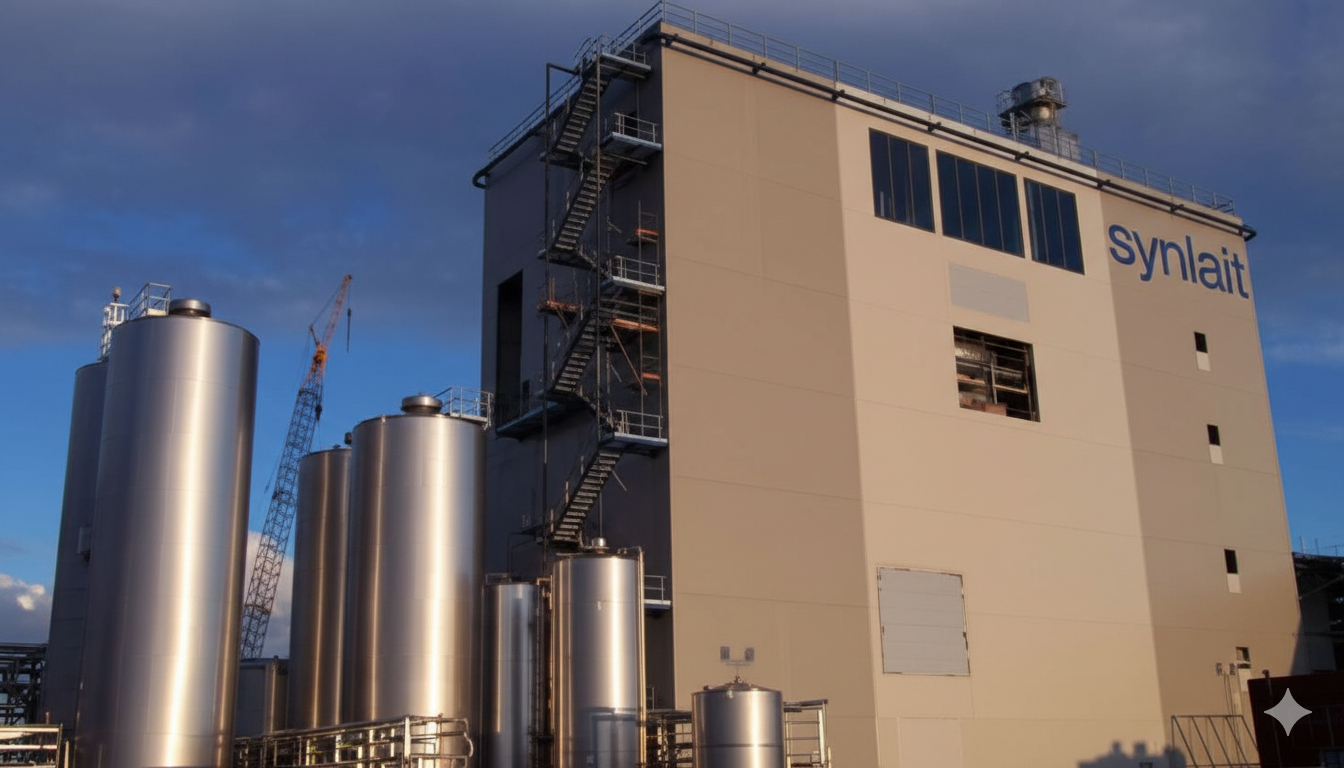
A factory automation solution using IoT and AI to optimize production, reduce waste, and enable real-time performance monitoring for enhanced operational efficiency.
View Full Case Study